


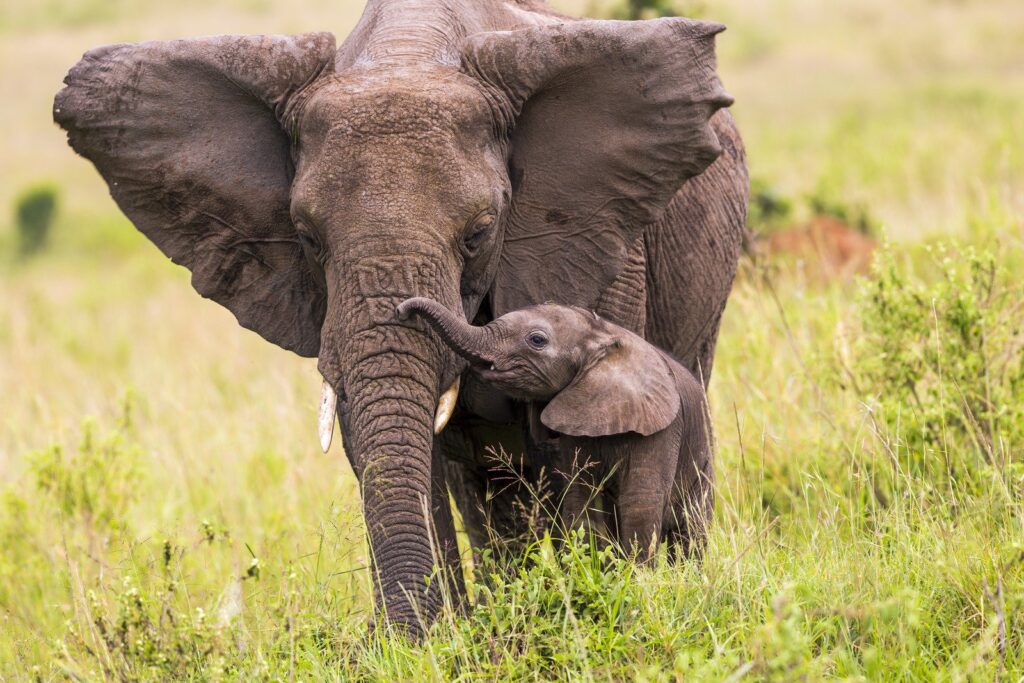
Botswana’s vast elephant herds—over 130,000 strong—are a living paradox: a testament to conservation’s success, yet a source of friction and hardship for many communities. For photographers, this landscape of triumph and tension offers a unique opportunity—and responsibility—to shape how the world understands the challenges of coexistence between people and elephants.
Below, we explore how photographers can craft powerful photo-stories or gallery series that go beyond the iconic wildlife shot, fostering innovation and shifting perspectives on conservation.

The Power of Photography in Conservation
Photography is more than documentation; it is a vehicle for empathy, advocacy, and change. Striking images can illuminate the intelligence and social bonds of elephants, expose the realities of human-wildlife conflict, and celebrate the ingenuity of communities striving for peaceful coexistence15. The right photograph can inspire global audiences to care—and act.
Practical Ideas for Developing a Photo-Story or Gallery Series
1. Start with Research and Immersion
- Spend time with local communities, conservationists, and researchers.
- Learn about the specific challenges faced in the region—crop destruction, infrastructure damage, and the economic disparities that color perceptions of elephants69.
- Understand the innovative solutions being trialed, from chili fences and beehive barriers to migration corridors and community-run sanctuaries410.
2. Craft a Narrative Arc
A compelling photo-story should move beyond the single image. Consider structuring your series around these themes:
| Theme | Visual Focus | Storytelling Angle |
|---|---|---|
| Human-Elephant Conflict | Elephants in fields, damaged crops, tense encounters | The daily reality for farmers and herders69 |
| Conservation Innovation | Chili fences, beehive barriers, migration corridors | Portraits of ingenuity and local adaptation10 |
| Emotional Elephant Stories | Family groups, orphans, moments of play or loss | The intelligence, bonds, and vulnerability of elephants14 |
| Community Perspectives | Portraits of local people, meetings, shared spaces | The hopes, frustrations, and resilience of communities410 |
| Landscape and Scale | Aerials, wide shots showing proximity of people/elephants | The scale of the challenge and the beauty of the land5 |
3. Highlight the Human Dimension
- Pair images with quotes or short interviews from farmers, rangers, and community leaders.
- Show not just the problems, but the people working toward solutions—emphasizing agency and collaboration, not just victimhood or blame410.
4. Document Innovation in Action
- Capture the construction and maintenance of chili fences or beehive barriers, and their impact on both crops and elephants.
- Photograph community meetings, education sessions, and the use of technology (like GPS collars or AI-powered tracking)711.
- Show the successes and setbacks—innovation is rarely linear.
5. Avoid Harmful Portrayals
- Steer clear of sensational images that depict elephants or people as villains.
- Do not normalize unsafe or exploitative interactions.
- Respect the dignity of both human and animal subjects; use long lenses and maintain distance to avoid stress or disturbance1.
6. Use Captions and Context
- Provide background in your captions: why is this moment significant? What challenge or solution does it illustrate?
- Contextualize images with data or personal stories to deepen understanding.
Shifting Perspectives: Toward Coexistence
A photo-story that merely documents tragedy or beauty risks reinforcing old narratives. Instead, aim to:
- Challenge Stereotypes: Show elephants not only as majestic icons but as complex neighbors—sometimes destructive, often vulnerable, always integral to the ecosystem.
- Elevate Local Voices: Let communities speak for themselves, highlighting their knowledge and resilience.
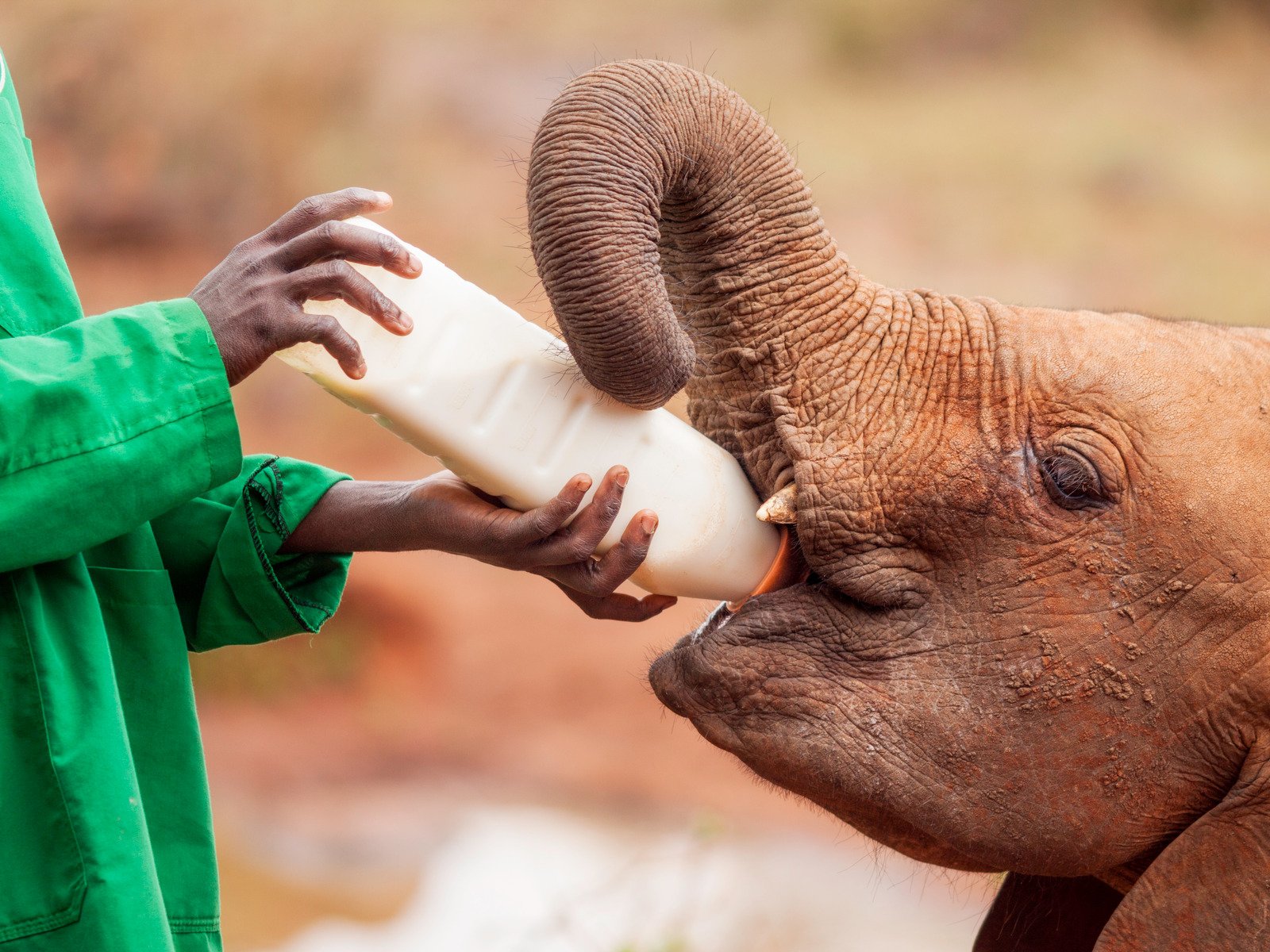
- Spotlight Hope: Feature stories of coexistence, recovery, and innovation—such as community-run sanctuaries like Reteti, where orphaned elephants are given a second chance by the very people who share their land4.
Practical Tips for Photographers
- Use a variety of techniques: wide landscapes for scale, intimate portraits for emotion, and action shots for drama5.
- Collaborate with NGOs and local organizations to gain access and ensure your work supports ongoing advocacy1.
- Consider multimedia: combine stills with audio, video, or interactive maps to enrich your narrative11.
- Share your work widely—through exhibitions, social media, and partnerships with conservation groups—to maximize impact.
“The images captured by photographers, whether amateur or professional, can become ambassadors for elephants, telling their story, sharing their beauty, and rallying support for their survival.”
~ Jess Lee
Conclusion
Every photograph is a chance to deepen understanding, foster empathy, and inspire change. By telling the nuanced story of elephants and the people who live alongside them, photographers can help shift the conversation from conflict to coexistence—and from despair to hope.
Let your lens be a bridge: between worlds, between species, and toward a future where both people and elephants can thrive.
Citations:
- https://www.jessleephotos.com/gallery/elephant-conservation/
- https://121clicks.com/inspirations/peter-delaney-wildlife-photographer-african-elephants
- https://www.nhm.ac.uk/wpy/gallery/2018-elephants-at-twilight
- https://jameslewinphotography.co.uk/the-orphans-of-reteti
- https://www.edwardselfephotosafaris.com/through-the-lens-ways-to
- https://www.frontiersin.org/journals/ecology-and-evolution/articles/10.3389/fevo.2018.00235/full
- https://atta.travel/resource/ai-to-protect-endangered-forest-elephants-in-central-africa.html
- https://girlswhoclick.org/crafting-a-compelling-conservation-photo-story-a-guide-for-aspiring-visual-storytellers/
- https://www.frontiersin.org/journals/conservation-science/articles/10.3389/fcosc.2024.1356174/full
- https://www.ifaw.org/au/press-releases/elephant-conservation-funding-boost-zambia
- https://www.esri.com/about/newsroom/blog/mara-conservationists-track-african-elephants